
Why Diabetic Eye Exams Are Critical for Vision Health

Why Diabetic Eye Exams Are Critical for Vision Health

Why Diabetic Eye Exams Are Critical for Vision Health

Why Diabetic Eye Exams Are Critical for Vision Health

Why Diabetic Eye Exams Are Critical for Vision Health

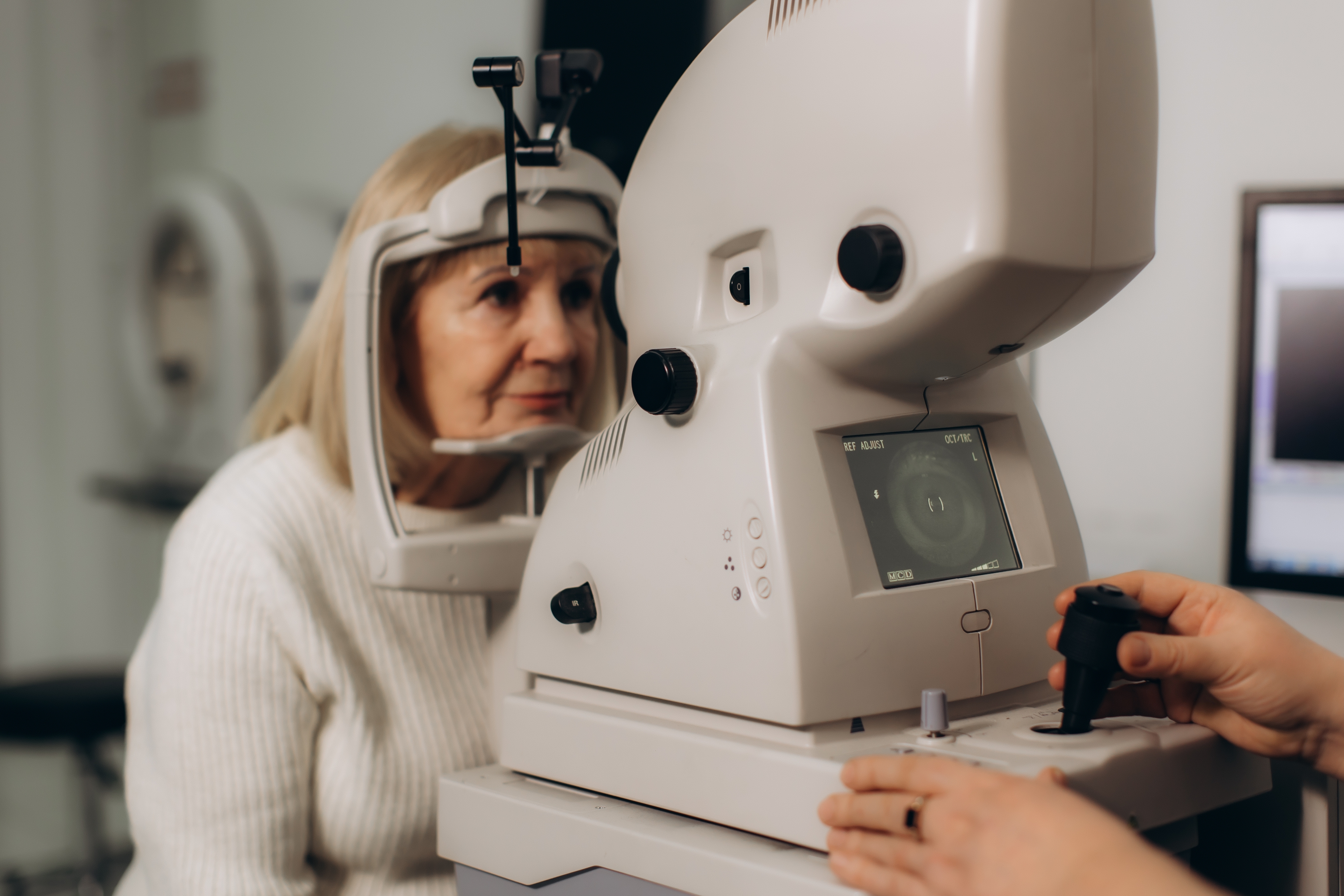
Diabetes can affect more than blood sugar. It can also affect the small blood vessels inside the eyes, sometimes before you notice any changes in your vision. For patients in Chapel Hill, Durham, and the surrounding Research Triangle area, diabetic eye exams are an important part of protecting long-term vision and detecting eye disease early.
At InView Eye Care, diabetic-related eye exams help evaluate the retina, optic nerve, blood vessels, and overall eye health so patients can better understand how diabetes may be affecting their vision.
Diabetes Can Damage The Retina
The retina is the light-sensitive tissue at the back of the eye. When blood sugar levels stay elevated over time, the tiny blood vessels in the retina can become weakened, swollen, or leaky. This can lead to diabetic retinopathy, one of the most common diabetes-related eye conditions.
Diabetic eye disease can progress quietly. You may still see clearly while early retinal changes are developing. That is why patients in Chapel Hill and Durham should not wait for blurry vision before scheduling a diabetic eye exam.
Diabetic Eye Exams Go Beyond A Vision Check
A basic vision screening may tell you how clearly you can read letters on a chart, but it does not provide a complete look at the health of the retina. A diabetic eye exam is more detailed and is designed to look for changes that may not cause symptoms right away.
During the exam, your eye doctor may evaluate your vision, eye pressure, retina, optic nerve, and blood vessels. Retinal imaging or dilation may also be recommended to get a clearer view of the back of the eye. These steps help identify early signs of diabetic retinopathy, diabetic macular edema, glaucoma, cataracts, and other concerns.
Why Early Detection Matters
Early detection is one of the most important reasons to keep up with diabetic eye exams. Some diabetes-related eye conditions can lead to permanent vision loss if they are not monitored or treated. When changes are found early, your eye doctor can recommend the right follow-up schedule, treatment plan, or referral to a retinal specialist if needed.
For patients in Chapel Hill, routine diabetic eye care can also help track whether eye changes are stable or progressing. This gives you and your healthcare team better information for protecting your overall health and vision.
Signs You Should Not Ignore
Diabetic eye disease may not cause symptoms at first, but certain vision changes should be evaluated promptly. Schedule an eye exam if you notice:
- Blurry or fluctuating vision
- New floaters or dark spots
- Trouble seeing at night
- Faded or distorted vision
- Sudden vision loss
- Eye pain or pressure
- Difficulty reading or focusing
Even if these symptoms come and go, they should not be dismissed. Blood sugar changes can temporarily affect vision, but persistent or sudden changes need professional attention.
How Often Should Patients With Diabetes Have Eye Exams?
Many patients with diabetes need a comprehensive diabetic eye exam at least once a year. Some patients may need more frequent visits if they already have diabetic retinopathy, poor blood sugar control, high blood pressure, pregnancy-related diabetes concerns, or other risk factors.
Your Chapel Hill eye doctor can recommend an exam schedule based on your health history and findings during your visit. Staying consistent with these exams is one of the best ways to catch problems before they become more serious.
Eye Health Is Connected To Overall Health
Diabetic eye exams are also a reminder that eye health and overall health are closely linked. Blood sugar, blood pressure, cholesterol, medications, and lifestyle habits can all influence the eyes. Managing diabetes with your primary care provider or endocrinologist can help support healthier eyes between visits.
If your eye doctor notices signs of diabetic eye disease, they may coordinate with your medical team or recommend additional testing. This team-based approach can help protect your vision while supporting your broader diabetes care.
Protecting Your Vision Starts With Routine Care
Clear vision does not always mean your eyes are healthy. Diabetic eye exams are critical because they allow your eye doctor to detect changes early, monitor your risk, and guide you toward the right care. For patients in Chapel Hill, Durham, RTP, and nearby communities, regular diabetic-related eye exams can play an important role in preserving sight over time.
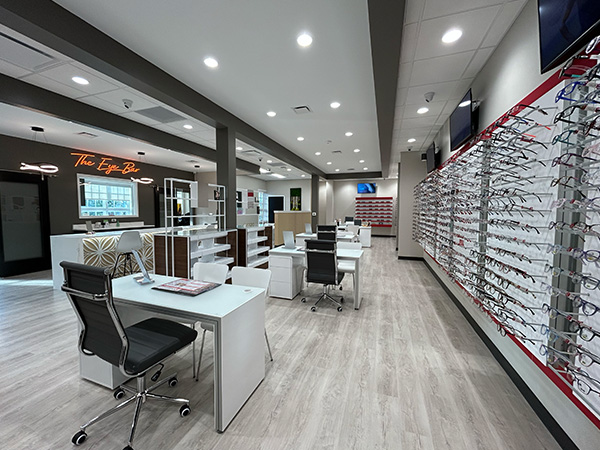
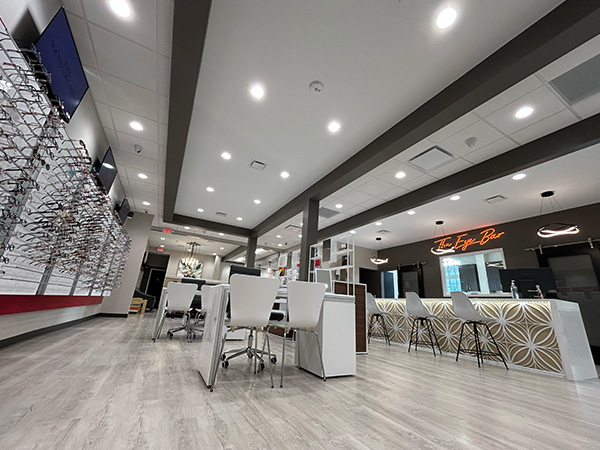
Schedule a diabetic eye exam with InView Eye Care in Chapel Hill, NC, located at 5915 Farrington Rd, Suite #202, by calling (919) 808-5449.
Contact Us
Contact Info
5915 Farrington Rd, Suite #202
Chapel Hill, NC 27517
Phone:
(919) 808-5449
Fax:
(919) 415-1712


Hours of Operation
- Monday 9:00 AM - 5:30 PM
- Tuesday 9:00 AM - 5:30 PM
- Wednesday 9:00 AM - 5:30 PM
- Thursday 9:00 AM - 5:30 PM
- Friday 9:00 AM - 5:00 PM
- Saturday 9:00 AM - 1:00 PM
- Sunday Closed
© 2026 InView Eye Care. All Rights Reserved. Sitemap - Privacy Policy
Powered by: 
